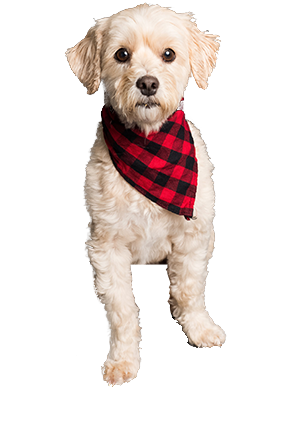
Complete Guide to Happy & Healthy Pets
Whether you share your home with a dog, cat, rabbit, bird, or another companion, simple everyday care can make a big difference. Explore practical tips for nutrition, grooming, exercise, safety, and overall pet wellness.
Explore Pet Care TipsChoose Your Pet
Every pet has different needs. Start with the basics below and build a routine that keeps your companion comfortable, active, and cared for.
Dog Care
Give dogs a balanced routine with fresh water, nutritious food, regular activity, training, grooming, and plenty of attention.
Cat Care
Cats benefit from clean litter, fresh water, appropriate nutrition, playtime, scratching options, and regular health checks.
Small Pets
Rabbits and other small companions need a safe living space, suitable food, cleanliness, gentle handling, and daily attention.
Bird Care
Provide clean water, suitable food, a safe cage, enrichment, and enough space for healthy movement and natural behaviors.
Hamster Care
A clean enclosure, suitable bedding, proper nutrition, enrichment, and a calm environment help small pets thrive.
Fish Care
Good water quality, the right tank conditions, appropriate feeding, and regular observation are essential for aquarium pets.
5 Essentials Every Pet Needs
Great pet care starts with a few consistent habits. Make these essentials part of your everyday routine.
Choose food appropriate for your pet's species, age, size, and individual needs.
Keep clean drinking water available and refresh it regularly.
Provide a clean, comfortable space where your pet can rest and feel secure.
Play, exercise, exploration, and mental stimulation help pets stay engaged.
Notice changes in appetite, behavior, energy, or appearance and seek veterinary advice when needed.
Positive interaction and gentle handling help build trust and a strong bond.
Everyday Pet Care Routine
A simple routine makes it easier to notice changes and keep your pet's environment healthy.
🌅 Morning
Refresh water, provide the appropriate meal, check the living area, and spend a little time observing your pet's behavior.
☀️ During the Day
Offer suitable exercise or play, keep the environment comfortable, and make sure your pet has a safe place to rest.
🌙 Evening
Check food and water, clean as needed, provide appropriate enrichment, and look for anything unusual.
🧼 Regularly
Maintain grooming, bedding, litter, cages, tanks, toys, and other equipment according to your pet's needs.
Pet Nutrition Basics
Food is an important part of long-term pet wellness. Different species have very different nutritional requirements.
🥣 Balanced Meals
Use a complete and appropriate diet rather than relying on treats or table food as the main source of nutrition.
💧 Hydration
Fresh, clean water should be available as appropriate for the species. Monitor drinking habits for unusual changes.
🍪 Treats in Moderation
Treats can be useful for bonding and training, but they should not replace a balanced everyday diet.
Grooming & Cleanliness
Regular grooming is more than appearance. It can help you notice skin, coat, nail, ear, or other changes early.
🪮 Coat Care
Brush or groom according to your pet's coat type and individual needs.
🧹 Clean Environment
Keep bedding, litter areas, cages, tanks, bowls, and toys clean and well maintained.
✂️ Routine Checks
Regularly check your pet's paws, nails, coat, ears, and general condition without causing discomfort.
When to Contact a Veterinarian
You know your pet's normal behavior best. A noticeable or persistent change deserves attention.
- Sudden changes in eating or drinking
- Unusual tiredness or behavior changes
- Persistent vomiting, diarrhea, coughing, or other concerning symptoms
- Difficulty moving or unusual pain
- Changes in breathing or consciousness
- Any situation that seems urgent or seriously concerning
This page provides general pet-care information and is not a substitute for professional veterinary advice.
Frequently Asked Questions
How often should I take my pet for a health check?
Routine veterinary care depends on the species, age, health, and individual needs of your pet. Ask your veterinarian for a schedule that fits your companion.
Can I give my pet human food?
Not all human foods are safe for pets. Before offering something new, check whether it is appropriate for your pet's species and ask a veterinarian when unsure.
How can I tell if my pet is healthy?
Regular appetite, normal activity, healthy-looking coat or skin, and typical behavior are useful signs, but only a veterinary professional can properly assess your pet's health.
What is the most important part of pet care?
Consistent basics: appropriate nutrition, fresh water, a safe environment, suitable exercise and enrichment, cleanliness, affection, and proper veterinary care.
Give Your Pet the Care They Deserve ❤️
Small daily habits can create a healthier, happier life for the animals we love. Keep learning, stay observant, and make your pet's wellbeing a priority.
Start With the Essentials